


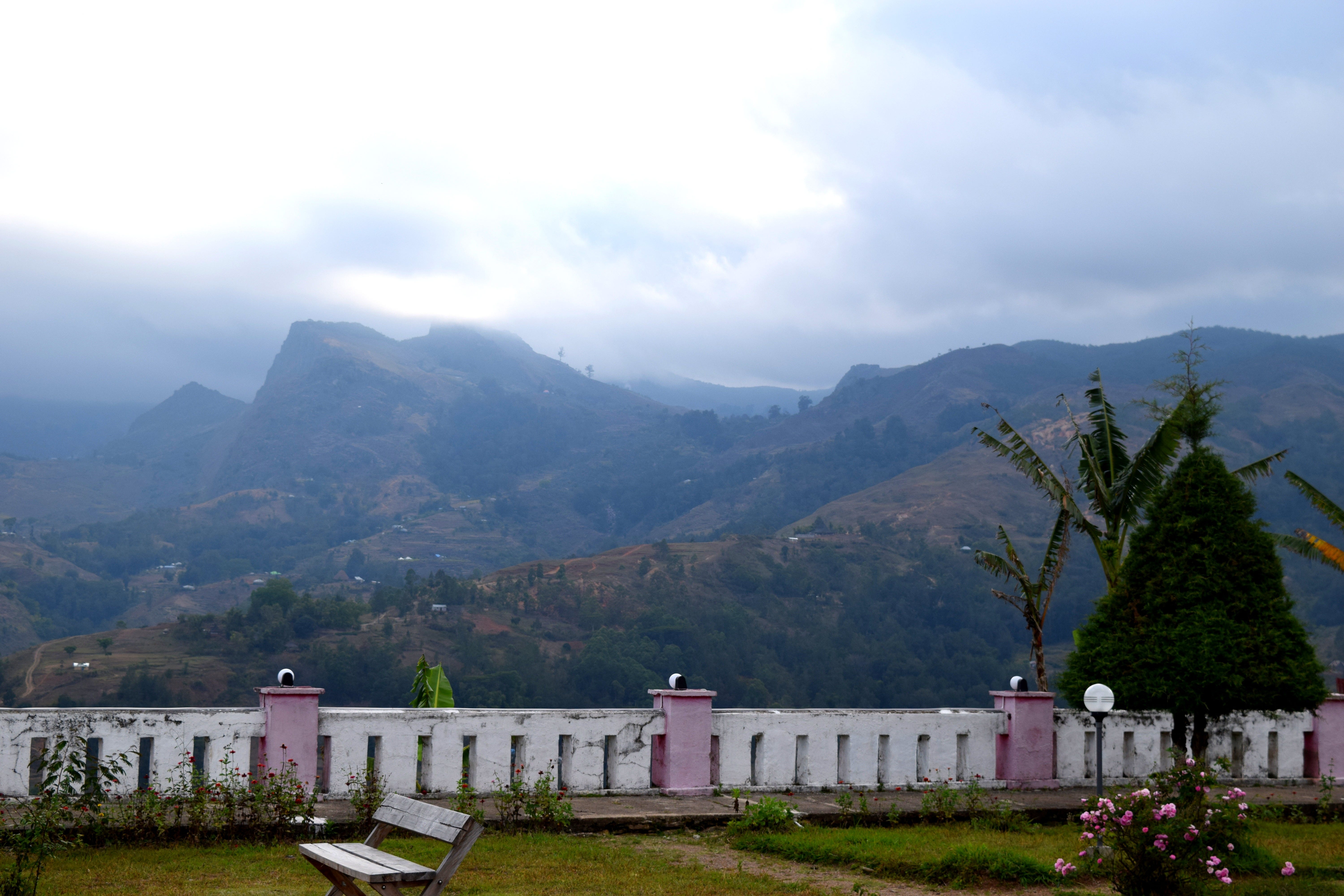
As the old SUV pitched back and forth up dirt switchbacks, I was glad to have combined a Dramamine with my standard Xanax taken for all things heights. Freed from the panic I would usually feel climbing a mountain in a vehicle questionably up to the task, I marveled at how this pharmacological one-two-punch was allowing me to not only survive this ride, but even enjoy the scenery.
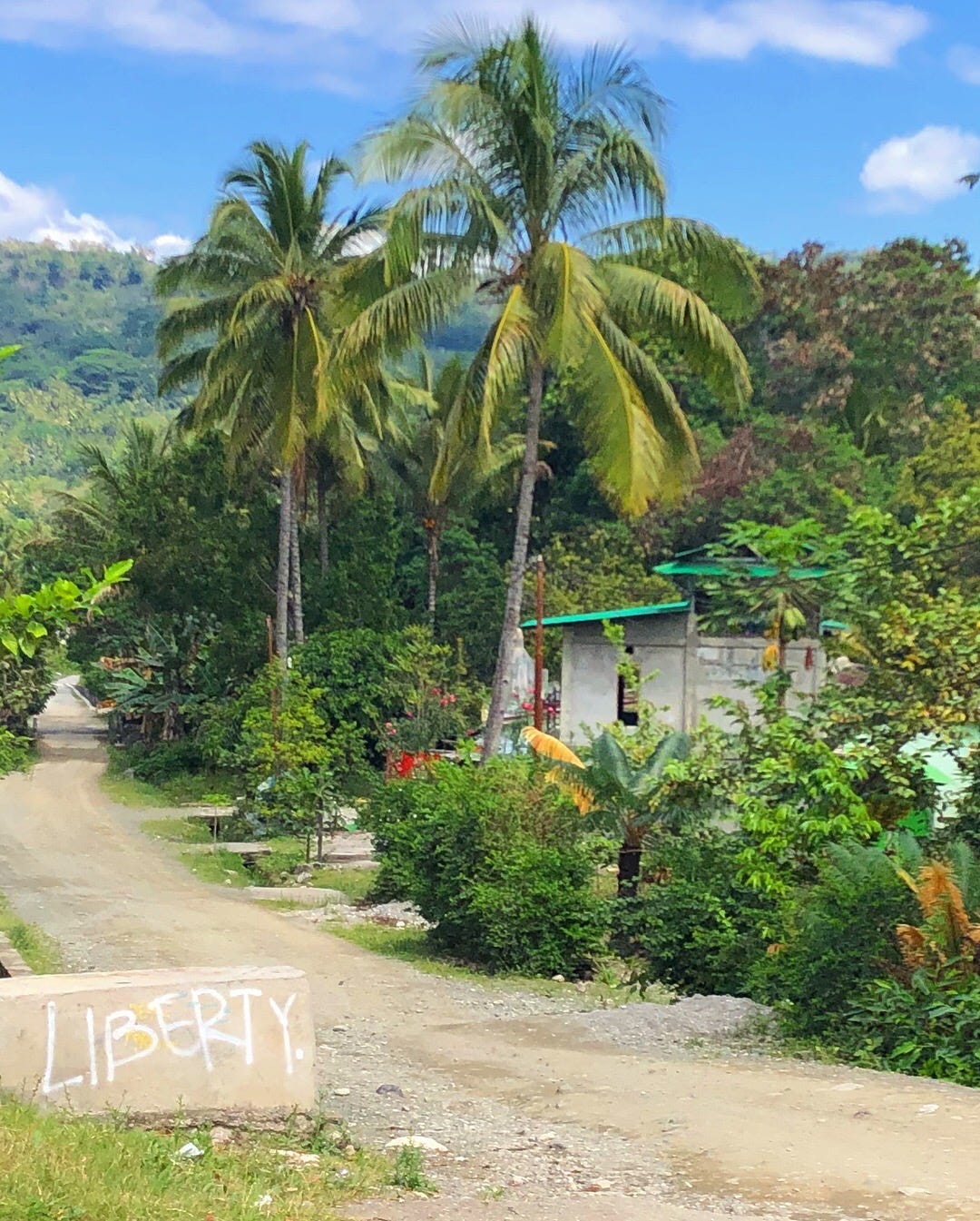
The view outside the window was lush. Dense green forests of tropical plants, punctuated by colorful flowers and water trickling off ledges from above. What structures dotted the hills were simple. Thin columns of smoke rose from fires made for cooking, or burning trash. We climbed right and then left, right and left, up the hill to our home for the night at the Pousada de Maubisse, on the island of Timor-Leste.
Timor-Leste is a little nation with big history. Nestled among the Pacific Islands just north of Australia, it was long colonized by the Portuguese, and both Allied and Axis powers subsequently came through during WWII. The 1970s, 80s, and 90s brought a traumatizing occupation by Indonesia, followed by a bloody fight for independence. On May 20, 2002, Timor-Leste was officially declared an independent democratic republic. I was halfway around the world celebrating my twelfth birthday.
My visit to Timor-Leste in 2018 was the first place I’d ever visited that had brutal conflict in such recent collective memory. It was also the farthest away I’d ever been from home, and one of the first few times I’d traveled somewhere consequential for work. I had spent that week learning from more experienced colleagues around me: slightly older women who had seen more and done more. They had packed better than I had; they were easy travelers. I was absorbing and listening as much as I could, trying to not stick out in the Ann Taylor business attire I’d packed for a week on a tropical island. The learning curve for me that week was fascinatingly, if unnervingly, steep.
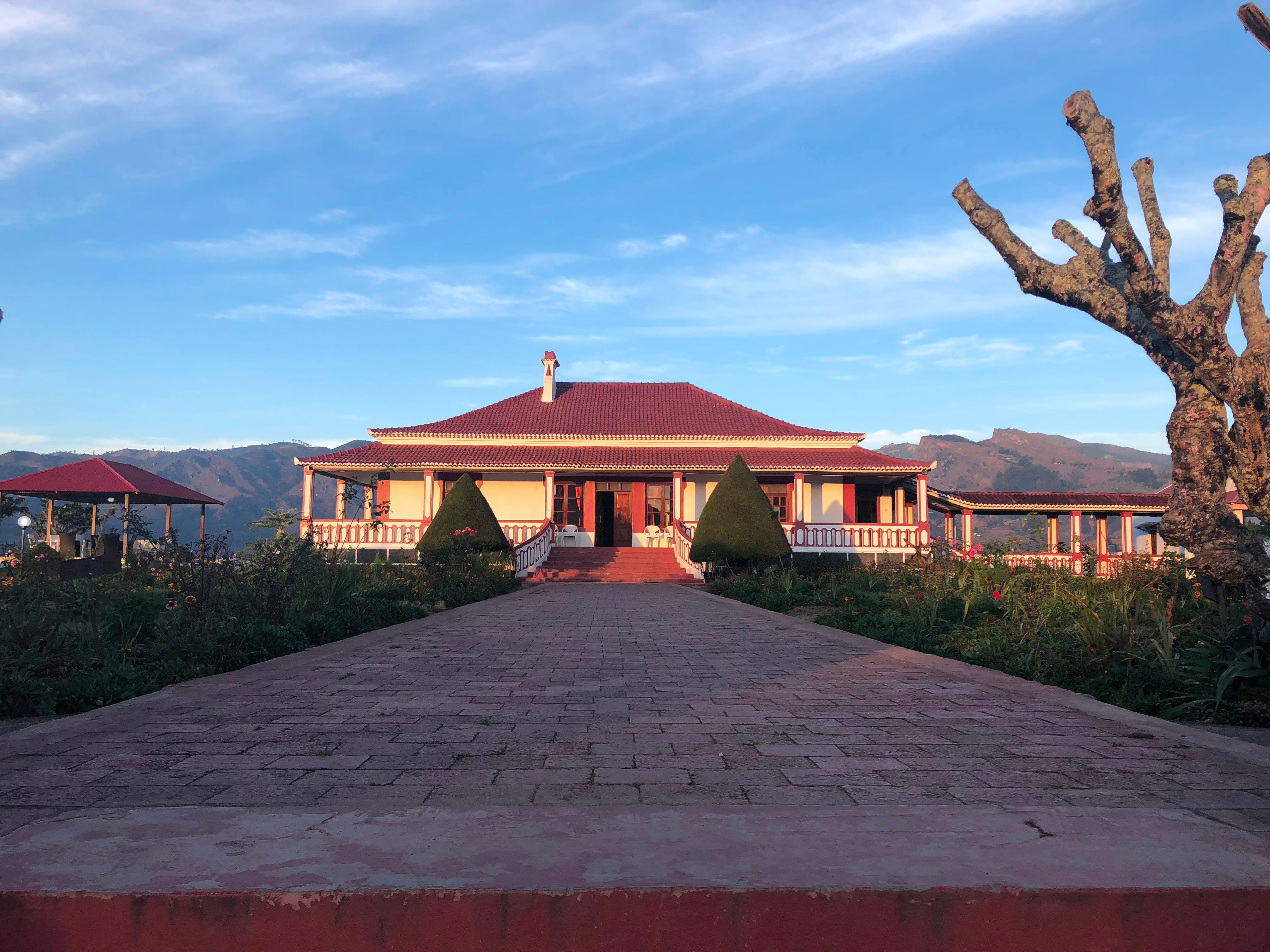
Having spent much of the trip conducting research in the coastal capital city of Dili, we were now driving into the interior of the country to stay the night in Maubisse, a hill-top town with some leftover colonial buildings from the Portuguese. One of these is the Pousada de Maubisse, a bed and breakfast greeting us at the top of the hill, all pink-and-white geometry set regally against the mountains. We arrived as the sun sank low in the sky, casting yellow and orange light across the property.
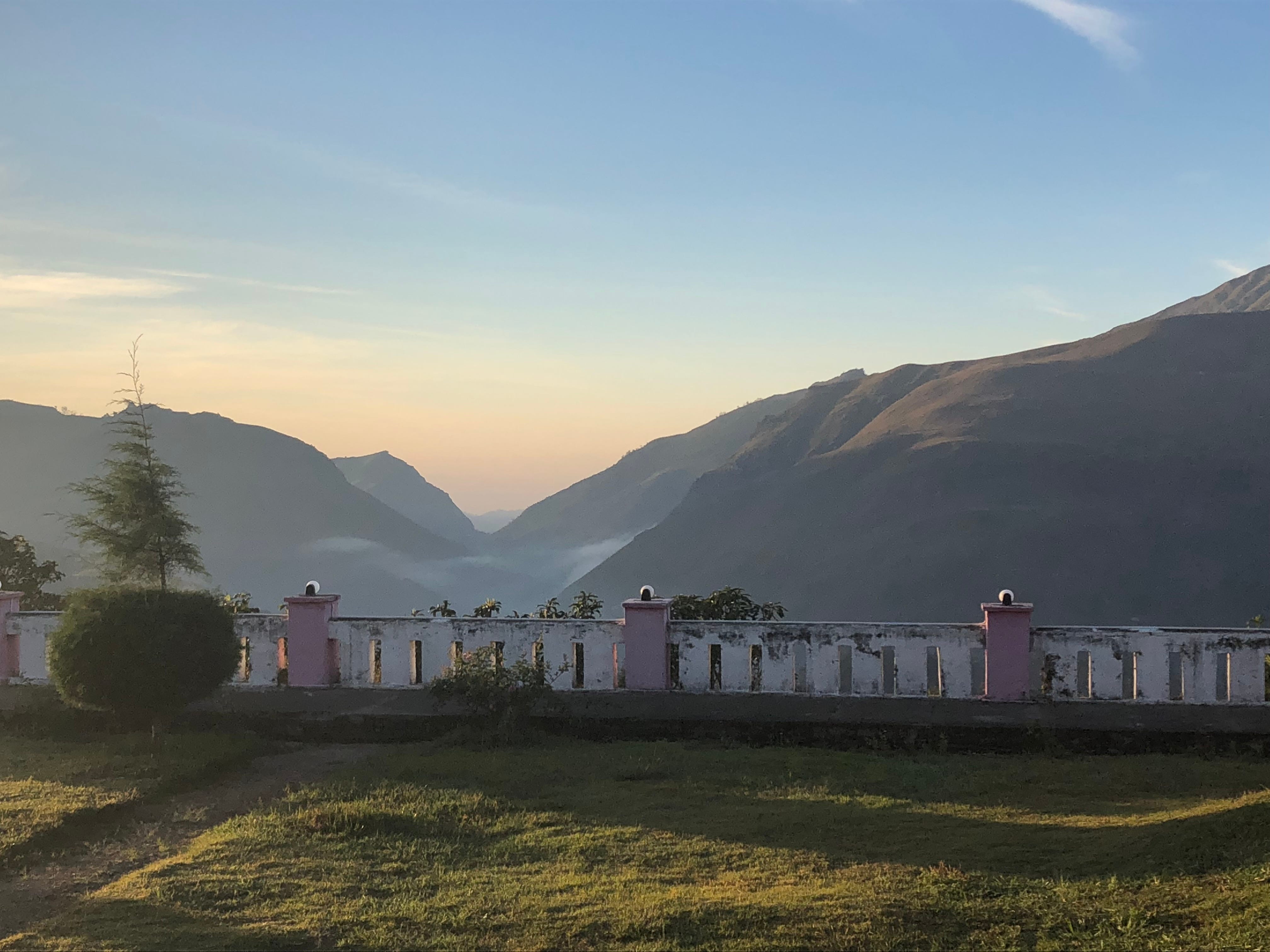
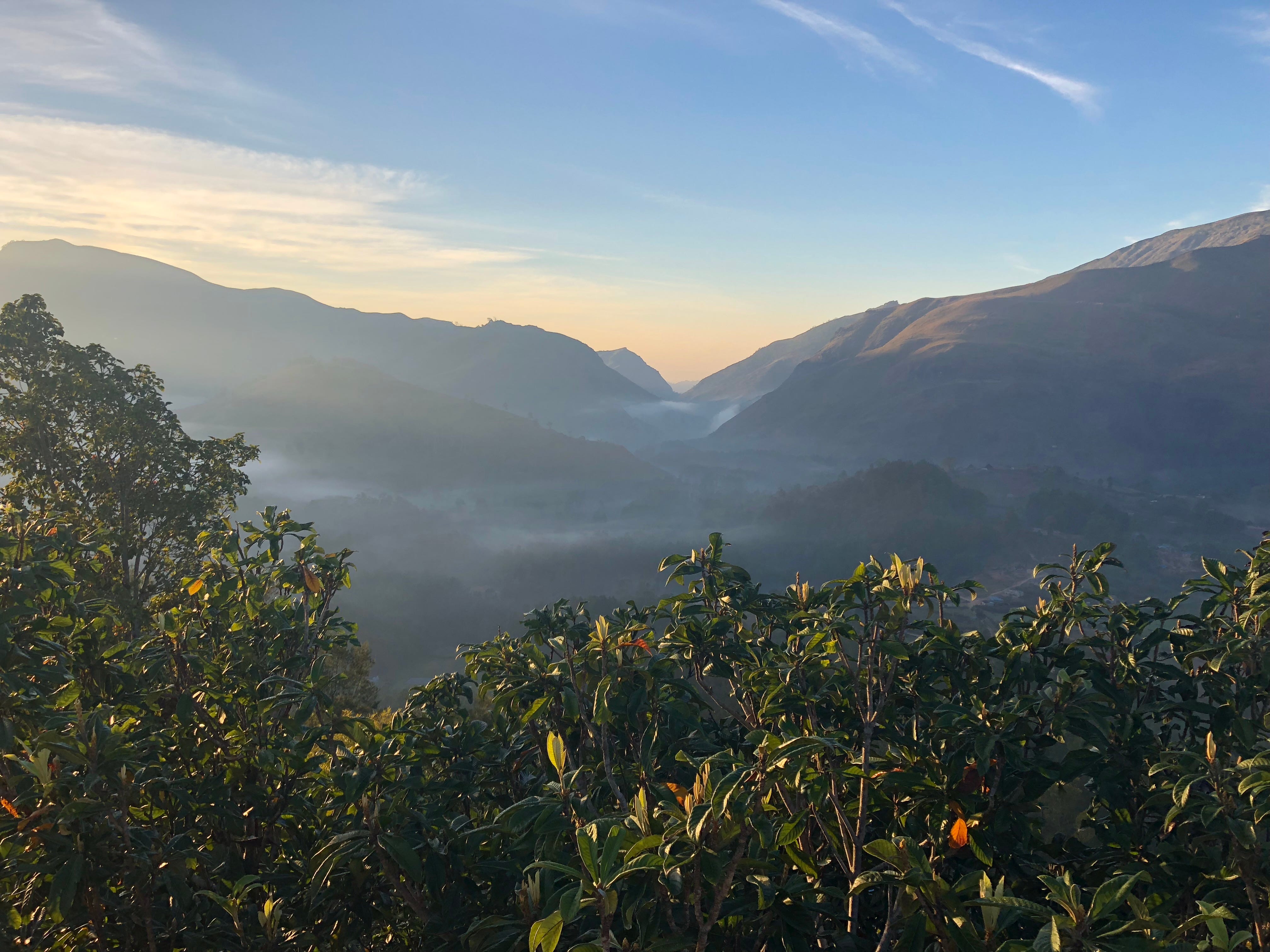
We tumbled out of the car and fanned out across the manicured gardens, each needing a moment alone after the two and a half hour drive. The property was encircled by a low concrete fence, matching the pink and white of the main building. I ambled over to the edge and looked out across the valley. Mist gathered in the nooks between the mountains. I could hear conversations, music, and all the evening Timorese sounds below blending in symphony and bouncing off the mountainsides, though as if at low volume on a stereo. I could smell the faint smoke from fires. After several days on the low coast, I felt an incredible sense of peace to have this view of the country from a height: this new perspective on life below.
We sat cross-legged on wooden benches by a fire in the garden, glasses of wine in hand. We talked about things we’d seen that week, about our lives, about relationships back home. Insecurities. These women to whom I’d felt so junior became softer, more accessible: just friends across the campfire. I could feel some inner tension release. Maybe it was the feeling of being so far from anywhere—from anyone—else in the world. On top of the hill in Maubisse, any other distinctions we may have otherwise carried felt irrelevant. It was just us.
A homemade dinner followed in the cozy main lodge around a wooden dining table, where conversation continued to flow. When it was dark we each walked back to our rooms, where I sank into a deep sleep under blankets in the chilly mountain air. I was on an island many people I know had never heard of, having one of the most memorable hotel experiences of my life.
True hospitality, true comfort, isn’t always about luxury as we tend to think of it. It’s about making someone feel genuinely welcome. At Pousada de Maubisse, I felt genuinely welcome, and during a week I really needed it. As we packed up the car to head back down the hill the following morning, I felt humbled with gratitude for the experience. I might very well have lived my whole life and never gotten here; never known anything about this place. What else might be out there that I’ve yet to know anything about?
Later that week, I was back in the coastal capital of Dili on my last day in Timor-Leste. I visited the Timorese Resistance Archive & Museum, alone. I walked through rooms tracing the long Timorese struggle for independence, and reflected on all I’d seen that week in Timor-Leste—the pain and the joy coexisting in every face, in every mountain, in every song of this little green island. It all amounted, it seemed, to something like hope.
On a lower part of the museum wall, I stopped and read a section of a poem by Fernando Sylvan, the Timorese writer and poet:
“Culture are the memories
of a people who refuse to die!
Action is the history
of a people who refuse to die!
Did you her me?
Did you hear me well?
Life is the freedom
of a people who refuse to die!
Independence is the craving
of a people who refuse to die!
Did you hear me?
Did you hear me well?
Justice is the endowment
of a people who refuse to die!
Struggle is the finding
of a people who refuse to die!
Did you hear me?
Did you hear me well?”
Fernando Sylvan
Maubere Manifesto
1982
Le Bonne Adresse
The Pousada Maubisse
5J52+MPC, Maubisse, Timor-Leste
Phone: +670 7533 1981