


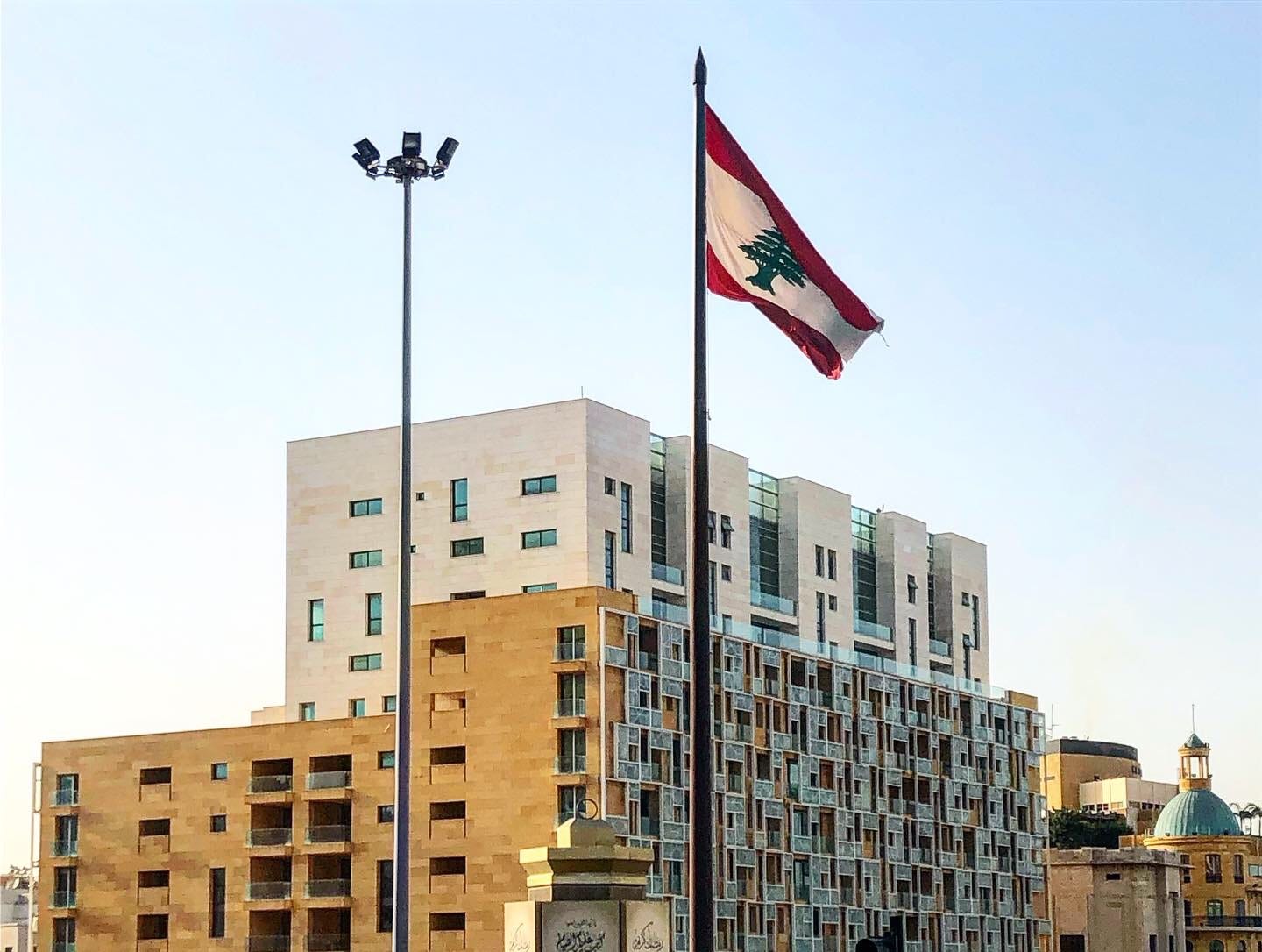
I visited Lebanon for the first time during one busy work week in February 2019. I had very little time to explore on my own, but even so the taste I’d had of Lebanon that week—beautiful, complicated Lebanon—was plenty to get me hooked. I was immediately in love, missing Lebanon before I’d even left. The night before I was to fly home on an early morning flight, I sat out on my Beirut hotel balcony, drinking red wine from the nearby Beqaa Valley and playing “Le Beirut” from my cellphone speaker. Fairuz crooned in Arabic lyrics I couldn’t understand but could somehow still feel in my body:
To Beirut
A greeting from my heart to Beirut
kisses to the sea and to the houses
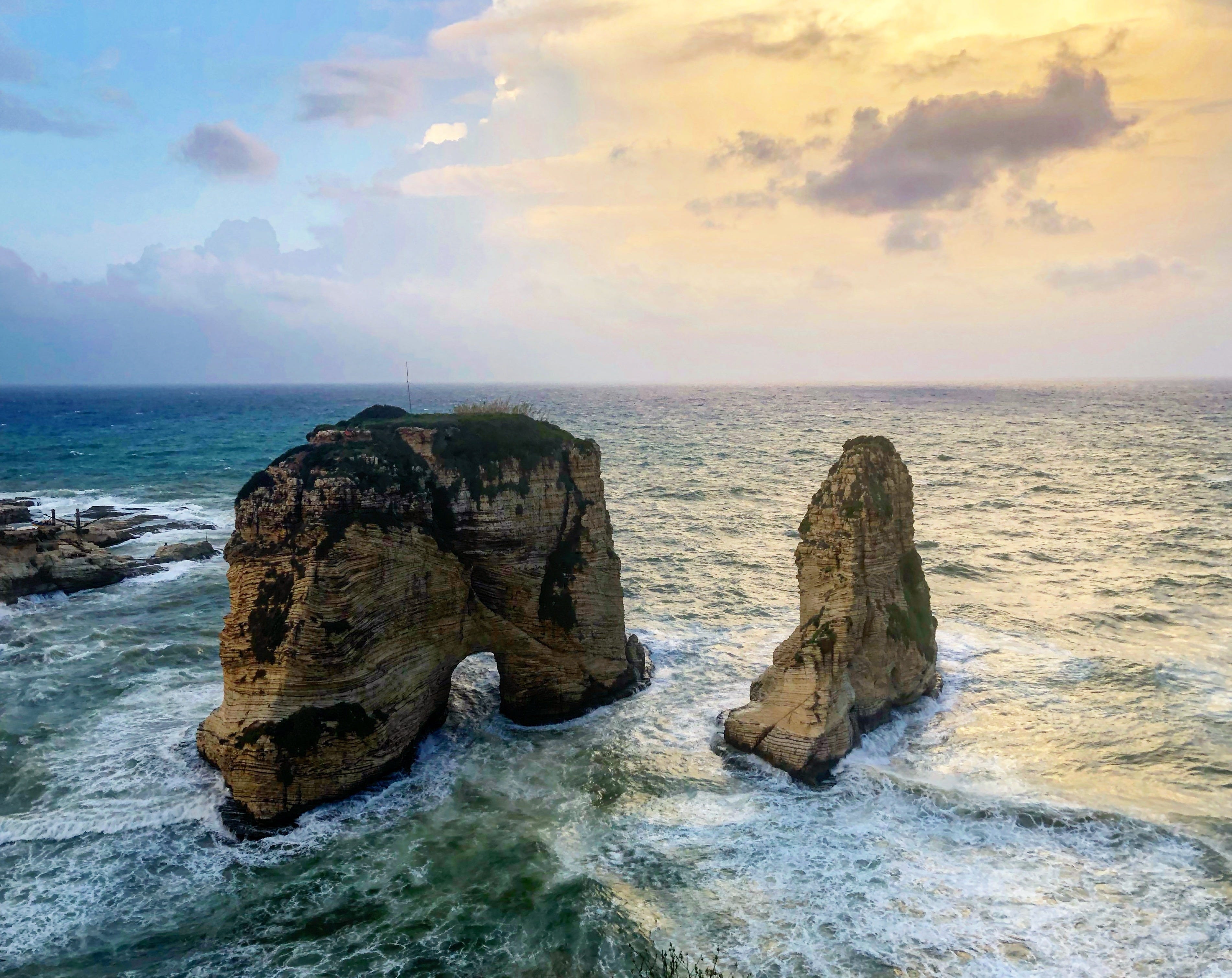
to a rock, which is like an old sailor’s face
She is a wine made from peoples’ spirit
From peoples’ sweat, she’s bread and jasmine
So how did her taste turn into
the taste of fire and smoke?
Even during such a busy week, I knew that Lebanon had grabbed a fistful of my heart and would never let it go. I had only scratched the surface. I needed to bring everyone I loved to Lebanon. It ached to leave.
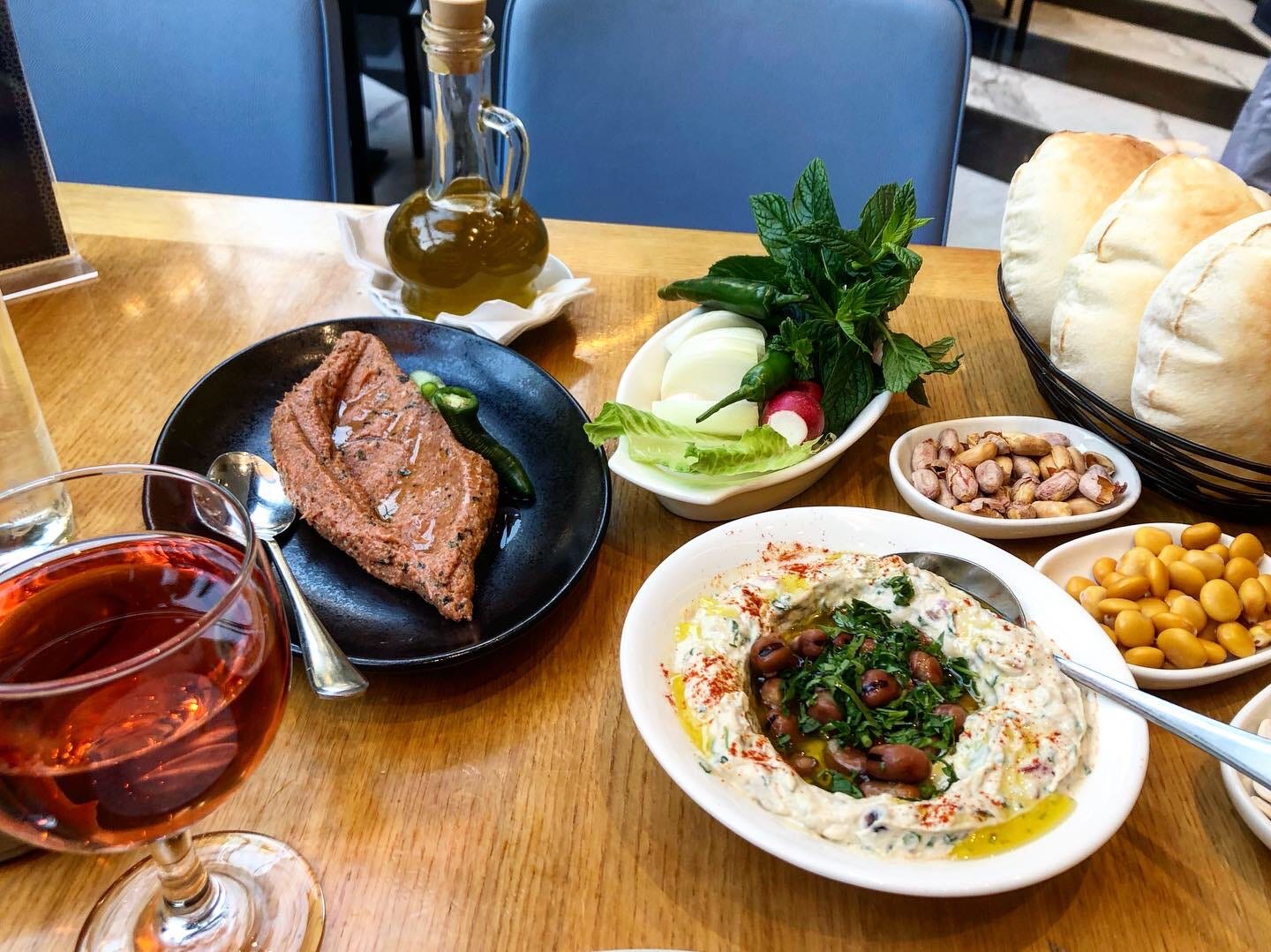
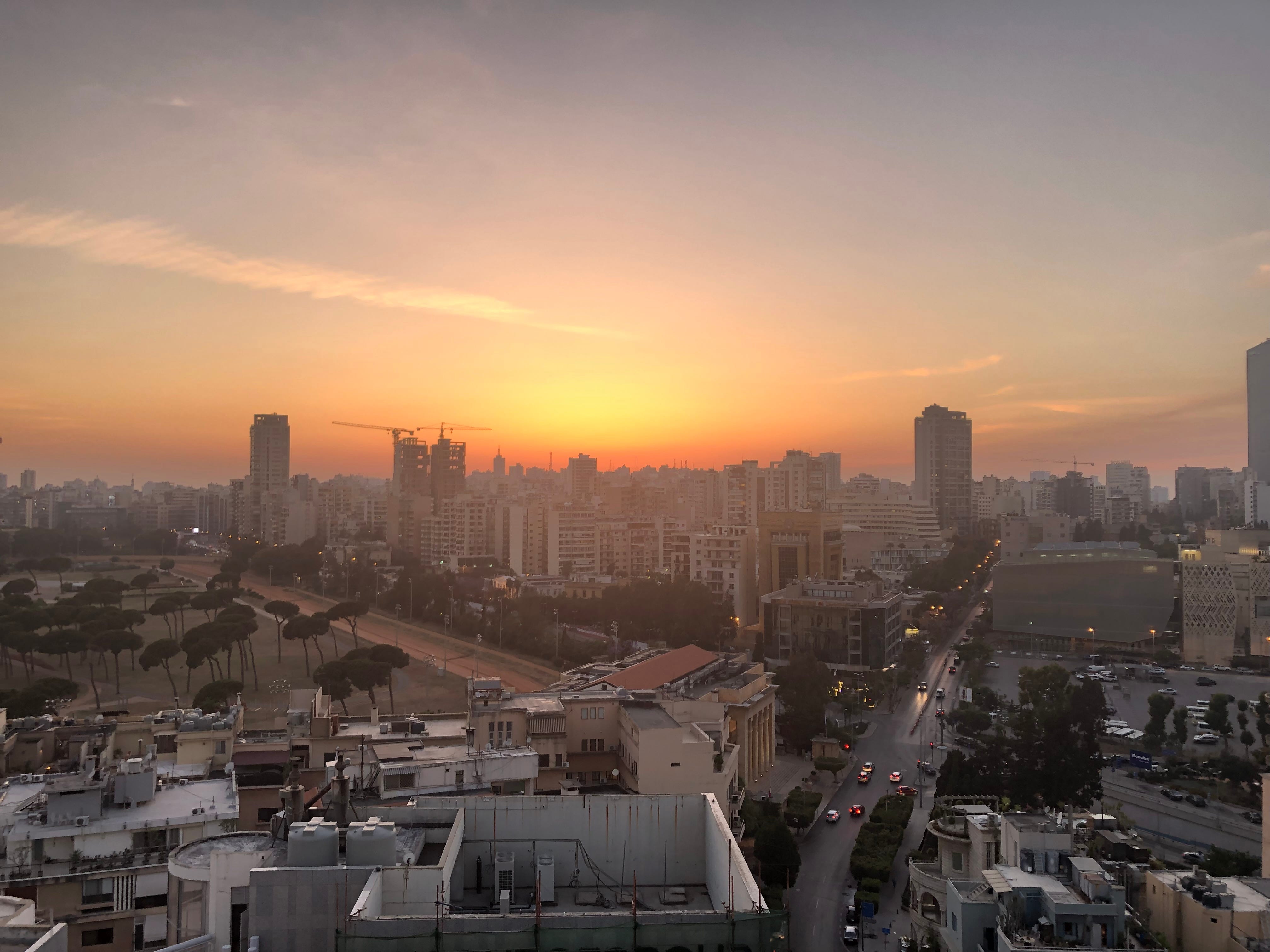
Luckily I soon returned. Lebanon hugs you immediately when you arrive—lets you know you could be nowhere else. The salty, fresh hang of the Mediterranean, cut with smoke. Fresh kibbeh nayyeh (raw lamb mixed with bulgar wheat, onion, and spices) drenched in olive oil and adorned with onion, radish and mint at Abd el Wahab restaurant in the Achrafieh neighborhood. The breeze at my table-for-one under a canopy at Enab restaurant, the lazy swirl of shisha over my head as labneh arrives. Nuts with the shells on accompanying my Almaza beer. Walking down narrow, old stone streets; beautiful people speaking Arabic, punctuated every so often by a French word. The sunshine, the cedars. The breathtaking emotion of the flag. A place that has met with every sadness and difficulty over its long history, and yet here it remains: in all its technicolor beauty, passionate as ever—a feast for each sense.
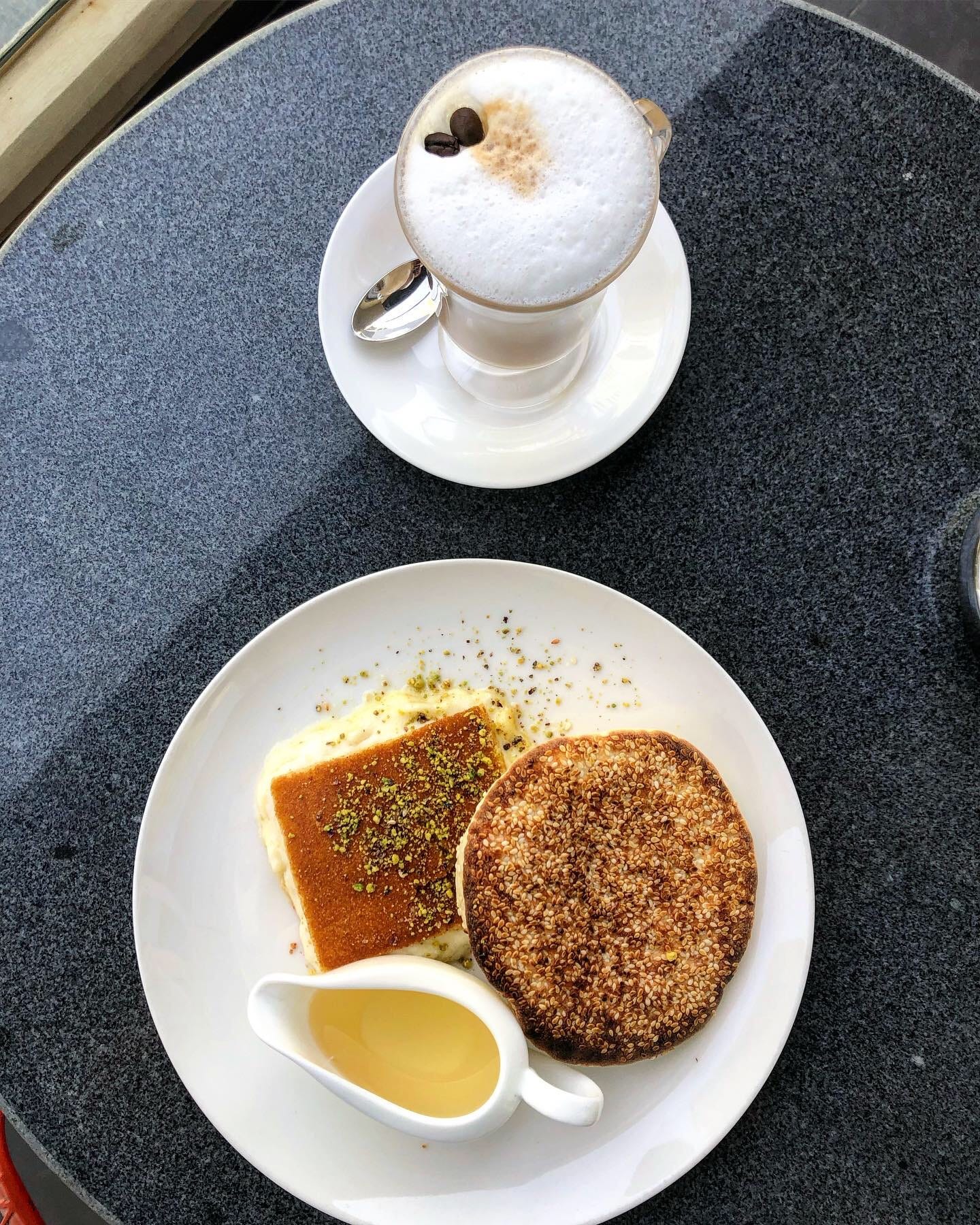
I even love the airport. My passport stamped at customs by a handsome Lebanese security officer, who (seeing my previous stamps) asks politely if I have a boyfriend in Lebanon. I don’t, but it’s nice to be asked. The smell of the heavy, electric air when you step outside to get a taxi, out into the Beiruti night, looking ahead and to your right at the glittering surrounding hills. When leaving to return home, eating a warm, cheesy, parting knafeh at the airport shop. Frantically snapping up bags of nuts, za’atar and sweets to take back home as gifts. Trying to bring some of the magic home to share, and knowing no amount of nuts can transport the feeling one gets here—only here.
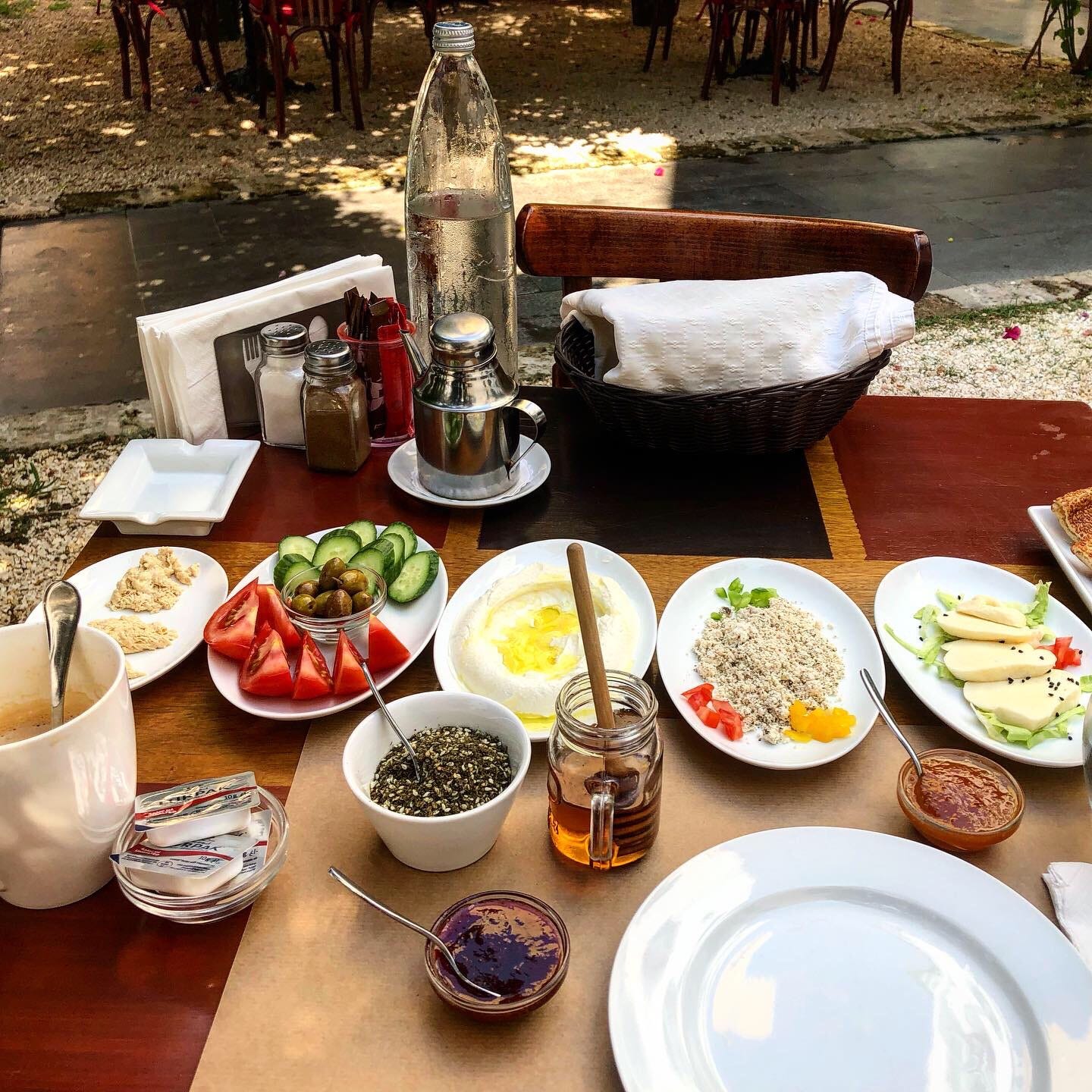
Up north in Tripoli, closer to the Syrian border, is a wholly different experience than the Lebanese capital in Beirut. The drive up the coastal road hugs the sparkling sea. My hotel of choice in Tripoli is an old, stately home on a quiet street in the Mina district: Via Mina. It has a spiral wooden staircase in the center and always smells like jasmine soap. Every morning, breakfast is served on the peaceful front terrace: labneh, pita, sweet sesame paste, shanklish, za’atar…eggs and cappuccino on request.
It is Tripoli that has mostly brought me back to Lebanon for work. Tripoli is home to many Syrian refugees, and my work here supported a project researching violence against refugee women and girls. That project took me to Tripoli neighborhoods quite different than the peaceful bougainvillea-ed terrace of my hotel. A fifteen-minute drive from Via Mina are streets pockmarked with bullet holes, painful reminders of the neighborhood sectarian conflicts between Alawite and Sunni Muslims.
I am a Lebanon novice, and probably always will be. I know, generally speaking, so little about the place--maybe disproportionately little to love it as much as I do. Since I’ve started traveling to Lebanon I’ve shared with so many my affection for it, including Lebanese colleagues and friends. These friends will politely listen, agree, and sometimes gently remind me that- as singularly enthralling as it is-Lebanon is a complex place, not easily summed up by its beauty or food. It is my privilege to dive into it for a couple weeks, enjoy some of Lebanon’s best features--drink the wine, roam the streets, smoke the shisha--and leave without contending much with the more difficult ones. In the months following my last visit, large-scale protests broke out across the country in response to corruption, high unemployment and a flagging economy. My beloved Enab restaurant, with the shisha and the olive oil-drenched labneh- seems to have moved or disappeared following the August 2020 blast in the port, a result of many tons of ammonium nitrate being improperly stored. Over 200 people died. And now, of course, Lebanon is embroiled in the broader conflicts lit like wildfires across the Middle East.
Lebanon is not straight-forward. But there is much, much, much to love. It is maybe best suited to those who luxuriate in gray areas. As Lebanon punctuates our news cycles with images of violence and despair, I am thinking also of the Lebanon I’ve met. The Lebanon I hope very much I can one day show my husband and two-year-old son. The Lebanon that introduced me to a new phase of my own life, one where I could never un-know the pleasures of this part of the world. A teensy strip of land on the sea where the most potent earthly forces, sacred and profane, have converged for millennia.
Since when does a place have to be perfect to be loved? Since when do any of us?
Les Bonnes Adresses:
Abd el Wahab Restaurant
VGQ5+7P9، الناصرة
Beirut, Lebanon
Phone: +961 1 200 550
Via Mina Hotel
Farah Antoun, Al Mina
Tripoli, Lebanon
Phone: +961 6 222 227